Blog
The Complete EV Charger Safety Features Guide: How to Identify a Trusted Brand in 2026
EV charger safety features guide should be your first stop before buying any home charging equipment. Electric vehicle safety matters more than ever as these powerful devices connect directly to your home’s electrical system. Let’s break down what makes a charger truly safe for your family and vehicle.
Why an EV Charger Safety Features Guide Matters for Your Home
Your EV charger handles serious power. One wrong connection could lead to electrical fires or damage to your expensive vehicle. That’s why proper safety features aren’t optional—they’re essential. A trusted brand EV charger USA made will have multiple layers of protection built right in.
Modern charging stations need to protect against:
- Electrical surges from storms
- Water damage in outdoor installations
- Overheating during extended use
- Unauthorized access attempts
- Voltage fluctuations from the grid
Key Safety Features to Look For
EV Charger 8-Layer Protection System
The best chargers offer comprehensive protection through multiple systems. An EV charger 8-layer protection approach includes:
- Surge Protection: Guards against voltage spikes
- Ground Fault Detection: Prevents dangerous current leaks
- Overheating Protection: Shuts down if temperatures rise too high
- Waterproofing: Essential for outdoor installations
- Circuit Protection: Prevents electrical overload
- Authentication: Ensures only authorized users can operate
- Monitoring: Real-time safety status tracking
- Emergency Stop: Quick shutdown capability
IP65 Rated EV Charger Outdoor Requirements
If you plan to install your charger outdoors, look for IP65 rated EV charger outdoor certification. This rating means:
- 6 – Dust tight (no harmful dust ingress)
- 5 – Protected against water jets from any direction
Many homeowners make the mistake of buying indoor-rated chargers for outdoor use. This creates serious safety risks when weather conditions change. Always check the IP rating before installation.
Durable NEMA Outlet Connections
The connection point between your charger and wall outlet needs serious attention. A durable NEMA outlet should feature:
- Heavy-duty construction materials
- Corrosion-resistant plating
- Secure locking mechanisms
- Weather sealing for outdoor use
- Proper gauge wiring for your vehicle’s power requirements
Don’t cheap out on the outlet. It’s the critical link between your home’s electrical system and your expensive EV.
How to Compare Home EV Charger Brands
When researching home EV charger brands comparison, focus on these safety metrics:
Certification Standards
Look for chargers certified by:
- UL (Underwriters Laboratories): Electrical safety certification
- ETL (Electrical Testing Laboratories): Alternative to UL certification
- CE Marking: European safety standards (often indicates higher quality)
- FCC Certification: Electromagnetic interference compliance
Manufacturer Reputation
A trusted brand stands behind their products with:
- Minimum 3-year warranties: Shows confidence in their safety features
- 24/7 customer support: For emergency situations
- Recall history: Fewer recalls indicate better quality control
- Industry awards: Recognition for safety innovation
Real-World Testing
The best manufacturers conduct extensive testing beyond minimum requirements:
- Extreme temperature testing: From -40°F to 140°F
- Water immersion testing: Beyond IP65 requirements
- Cycle testing: Thousands of charge/discharge cycles
- Surge testing: Beyond standard electrical requirements
Installation Safety Best Practices
Even the safest charger can be dangerous if installed improperly. Follow these guidelines:
Professional Installation
Always hire certified electricians for:
- Load calculations: Ensuring your home’s electrical system can handle the charger
- Proper grounding: Essential for safety
- Circuit breaker sizing: Preventing overloads
- Weatherproofing: Outdoor installations require special considerations
Regular Maintenance
Your EV charger needs regular checkups:
- Monthly visual inspections: Look for damage, corrosion, or loose connections
- Annual professional inspections: Electrical systems should be checked yearly
- Software updates: Manufacturers often release safety patches
- Performance monitoring: Watch for unusual charging patterns
Common Safety Mistakes to Avoid
DIY Installation Without Expertise
Many homeowners attempt installations without proper knowledge. This leads to:
- Incorrect wiring that can cause fires
- Inadequate grounding that creates shock hazards
- Circuit overloads that damage both charger and vehicle
- Voided warranties that leave you unprotected
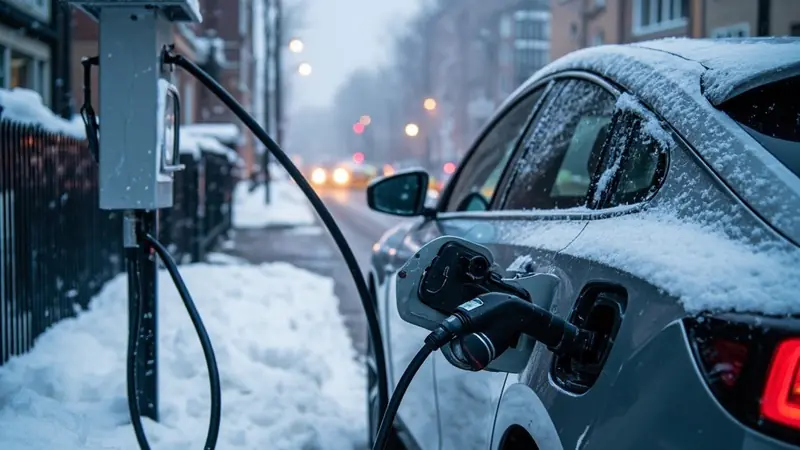
Ignoring Weather Conditions
Outdoor chargers face unique challenges:
- Freezing temperatures: Can affect electrical connections
- Heavy rain: May overwhelm inadequate waterproofing
- Extreme heat: Can cause component failure
- Humidity: Contributes to corrosion and electrical shorts
Using Extension Cords
Never use regular extension cords with EV chargers. Instead:
- Install dedicated circuits for your charger
- Use proper gauge wiring for your distance requirements
- Consider hardwired solutions for permanent installations
- Keep charging cables away from traffic areas
How to Verify Charger Safety Features
Before making your purchase, verify these safety elements:
Manufacturer Documentation
Request or download:
- Safety certifications: UL, ETL, CE, FCC listings
- Installation manuals: Detailed electrical requirements
- User manuals: Safety operation instructions
- Warranty information: Coverage details for safety components
Third-Party Reviews
Look for independent verification of:
- Safety performance: Real-world safety incidents
- Customer satisfaction: How issues were resolved
- Expert opinions: Professional reviews focusing on safety
- Long-term reliability: Performance over multiple years
Testing Results
Ask manufacturers for:
- Third-party test reports: Independent safety validation
- Failure rate data: How often safety features activate
- Incident reports: How the charger handled actual safety events
- Recall information: Previous safety issues and resolutions
Future Safety Trends in EV Charging
The industry continues evolving with new safety features:
Smart Safety Systems
Modern chargers include:
- AI-powered monitoring: Predictive safety alerts
- Remote shutdown capabilities: Control from your phone
- Usage analytics: Identify potential safety issues
- Automatic updates: Latest safety patches delivered wirelessly
Enhanced Physical Protection
New safety standards include:
- Tamper-resistant designs: Prevent unauthorized access
- Advanced fire suppression: Built-in fire protection systems
- Theft deterrence: Integrated security features
- Environmental hardening: Better protection against extreme conditions
Making Your Final Decision
Does the Charger Meet Your Specific Needs?
- Climate considerations: Weather-appropriate protection
- Electrical capacity: Compatible with your home’s system
- Vehicle compatibility: Proper charging specifications for your EV
- Usage patterns: Features that match how you’ll use the charger
Is the Manufacturer Truly Committed to Safety?
- Safety track record: History of safety innovation
- Customer support: Responsiveness to safety concerns
- Warranty coverage: Comprehensive protection for safety features
- Industry recognition: Awards and certifications for safety
Are You Prepared for Proper Maintenance?
- Installation plan: Professional installation budget
- Maintenance schedule: Regular inspection plan
- Emergency procedures: What to do if safety features activate
- Upgrade path: Future safety improvement options
Conclusion: Safety First in EV Charging
EV charger safety features guide should lead you toward equipment that protects your home, family, and vehicle. Don’t compromise on safety when choosing charging equipment. A trusted brand EV charger USA made with proper IP65 rated EV charger outdoor protection and comprehensive EV charger 8-layer protection systems is worth the investment.
Your electric vehicle represents a significant financial investment. Protect it with charging equipment that prioritizes safety above all else. Remember that the cheapest option often costs the most when safety corners are cut.
Ready to make your home EV charging safe and reliable? Browse our full lineup of safety-certified EV chargers or contact our certified installation partners today. Our experts can help you choose the perfect charging solution that meets all your safety requirements and budget needs.
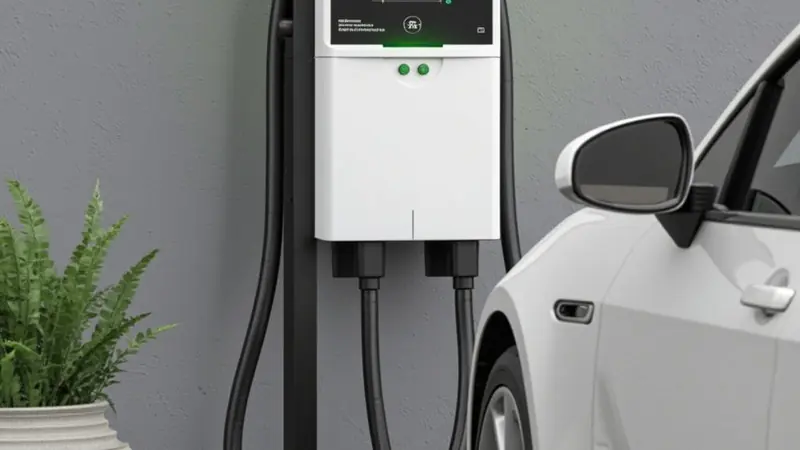
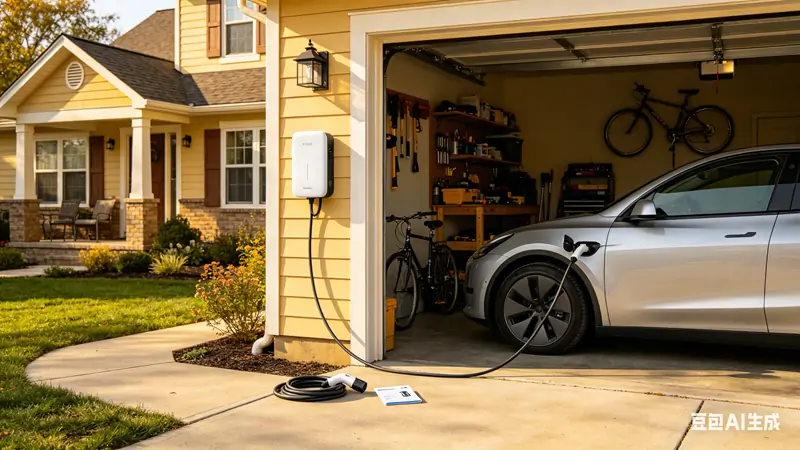
Featured image: EV charger safety features comparison showing protective components and certifications
Related: 8-Layer Protection
Related: American vs Chinese
Related: IP65