Blog
The Complete Level 2 EV Charger Home Charging Guide: Everything You Need to Know Before You Buy
If you’re shopping for a home EV charger, you’ve probably run into the term “Level 2” more times than you can count. A level 2 EV charger user guide home charging basics walkthrough is exactly what most buyers need — clear answers, no fluff, no sales pitch. This guide covers everything from how Level 2 charging actually works to which units play nice with your specific car. By the end, you’ll know what you’re getting, what it costs to run, and how to pick the right one for your setup.
What Is Level 2 Charging, Anyway?
Level 2 charging refers to a 240-volt charging setup — the same voltage your dryer or oven uses. That higher voltage means your EV can pull in a lot more power compared to a standard 120-volt wall outlet (that’s Level 1). Most home EV chargers sold today are Level 2 units. They’re not “fast” in the Tesla Supercharger sense, but they’re dramatically faster than plugging into a regular outlet overnight.
Here’s why that matters. A typical Level 2 unit delivers somewhere between 7 and 22 kilowatts, depending on the model and your home’s electrical setup. That translates to roughly 25–35 miles of range per hour of charging for most EVs. A full overnight charge from near-empty? Usually done by morning.
If you’re still on the fence about whether Level 2 is worth it over a Level 1 setup, check out our deep dive on level 1 EV charger everyday use — we break down the real-world numbers on speed, cost, and convenience.
How Fast Is Level 2 Charging? The Numbers Behind the Labels
People throw around numbers like “7KW” and “22KW” without explaining what that means in practice. Let’s fix that.
Understanding KW and Your Daily Driving Needs
Kilowatts (KW) in this context is a measure of how much power the charger can push to your battery per hour. More kilowatts = more miles added per hour. But here’s the catch — your car’s onboard charger (OBC) has a maximum rate it can accept. Plug a 22KW charger into a car that only takes 7KW, and you’ll still only get 7KW.
For most EV owners, 7KW to 11KW covers daily driving needs completely. If you drive heavy miles every day or have a large battery pack (think 80–100 kWh), stepping up to 22KW can cut your charging time meaningfully.
Key OBC Specs to Check Before You Buy
Before purchasing any home charger, look up your vehicle’s maximum AC charge rate. This is usually listed in the owner’s manual or the manufacturer’s spec sheet. Buying a charger that exceeds your car’s acceptance rate means you’re paying for power you can’t use. Conversely, a charger that’s under-powered for your car means slower daily charges than you could actually handle.
Range Added Per Hour: The Quick Reference Chart
| Charger Power | Typical Range/Hour* | Best For |
|---|---|---|
| 7KW (32A) | ~25–30 miles/hr | Daily commuters, plug-in hybrids |
| 11KW (16A single-phase) | ~35–40 miles/hr | Standard EVs, moderate daily miles |
| 22KW (32A three-phase) | ~60–70 miles/hr | Long-range EVs, high-mileage drivers |
*Actual range varies by vehicle efficiency, battery temperature, and state of charge.
For a side-by-side breakdown of what different power levels mean for your specific situation, see our 7KW vs 22KW home EV charger comparison.
What Affects Your Real-World Charging Speed?
A few things slow down Level 2 charging beyond what the label says:
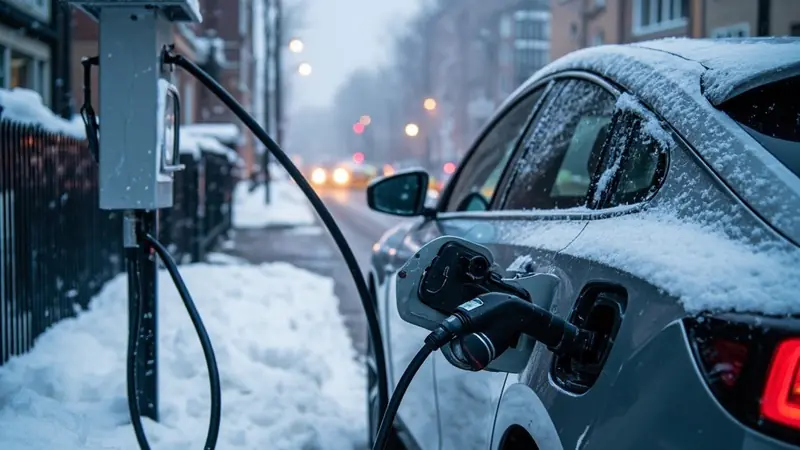
- Cold battery: Lithium-ion batteries charge slower when cold. Below freezing, you might see a 20–30% reduction in charge speed.
- Battery near full: The last 20% of a battery charges at a lower rate to protect cell longevity.
- Onboard charger limit: Your car’s OBC is the ceiling. Check your owner’s manual for its max rate.
For cold-weather specifics, including how to minimize range loss in winter, our EV charging in winter tips guide covers it step by step.
What Does a Level 2 Charging Session Actually Look Like?
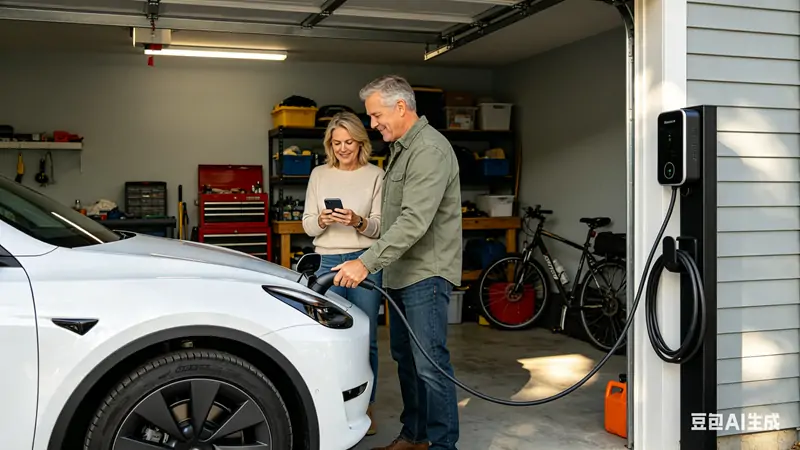
A lot of guides skip over this part. They tell you “plug in, charge up” and leave it there. Here’s what actually happens during a level 2 EV charger charging session explained in plain terms.
The Plug-In Sequence
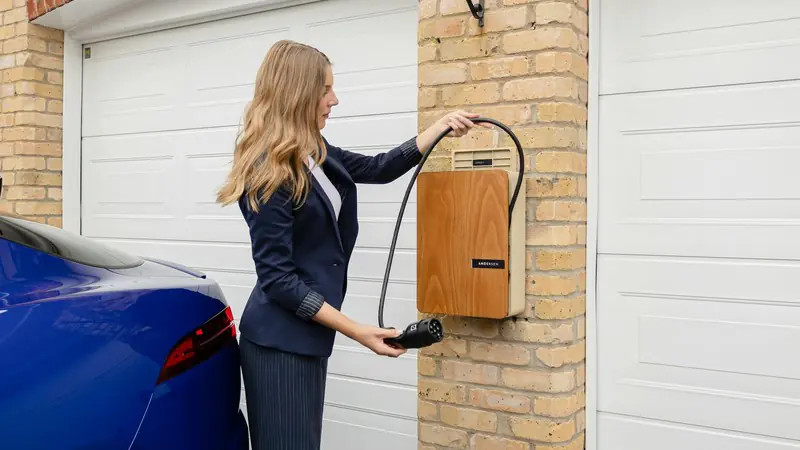
When you pull into your garage and plug in:
- The charger and your car do a quick handshake — the charger verifies it’s safely connected before sending any power.
- The car’s onboard charger (OBC) and the wall unit communicate. The car tells the charger its maximum acceptance rate.
- Charging begins. Most units show current rate, session time, and total energy delivered on an LED screen or in an app.
- When the battery hits your set limit (say, 80% for daily driving), charging tapers off and stops automatically.
What Happens if the Charger Doesn’t Start?
If you plug in and nothing happens, check the connection first. Try unplugging and replugging firmly. If the issue persists, check your car’s charging port settings — some vehicles have a lock feature that prevents charging in certain conditions. Also verify that the 240V circuit breaker hasn’t tripped.

Tracking Your Session
Most smart home chargers connect to WiFi and let you monitor the session from your phone. You’ll see real-time data: how many kWh you’ve added, estimated time to full charge, and the cost of that particular session if you’ve entered your utility rate.
Some chargers let you set charging schedules so your car only charges during off-peak hours — a feature that can significantly cut your electricity bill over the year. If you haven’t explored time-of-use pricing with your utility, it’s worth a call. The savings can be substantial.
Choosing the Right Level 2 Charger: What Actually Matters
Not all Level 2 chargers are created equal, and the specs that matter depend on your situation. Here’s what to actually look at.
Connector Compatibility: Does It Fit Your Car?
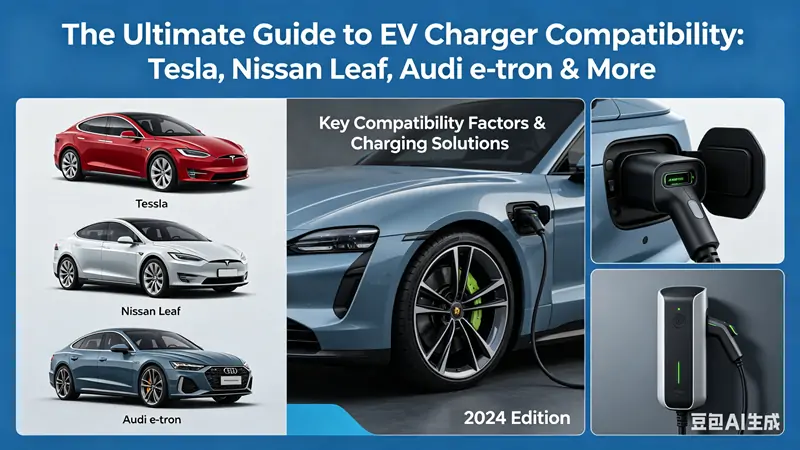
In North America, most EVs use a J1772 connector for Level 2 charging. Tesla vehicles come with an adapter but can also use Tesla’s own connector natively. If you have a CCS-equipped vehicle (most non-Tesla EVs in the US), look for a charger with a CCS inlet or a J1772 with an adapter.
If you’re wondering whether a specific charger works with your Tesla, we’ve got a dedicated guide on which EV charger works best for Tesla Model 3 — and the principles apply to most other Tesla models too.
Hardwired vs. Plug-In: Which Is Better?
This is one of the most common questions we see, and the answer depends on your setup.
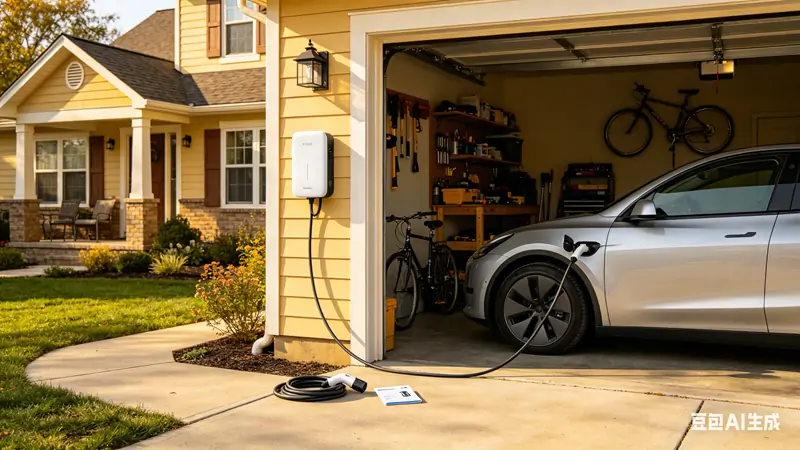
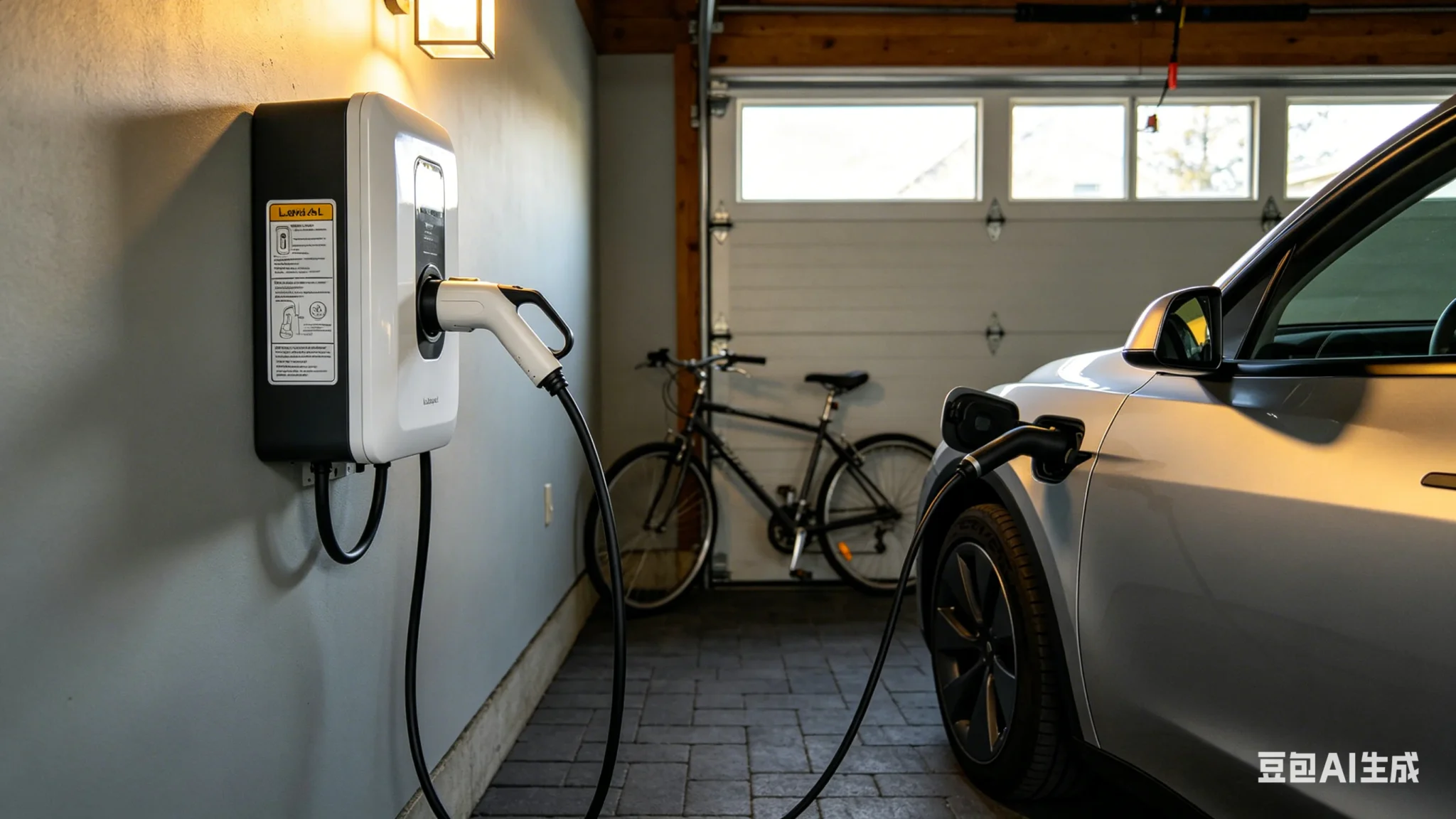
Hardwired units are permanently connected to your electrical panel. Pros: clean look, no outlet to worry about, often required for outdoor installation. Cons: requires an electrician for most installs, harder to swap out later.
Plug-in units use a 240V outlet (commonly NEMA 14-50 or NEMA 6-50). Pros: portable, easy to upgrade, can hire an electrician just for the outlet. Cons: the outlet itself can be a point of failure.
For a full breakdown of the pros, cons, and which situation suits each, see our hardwired vs plug-in EV charger comparison.
Smart Features: WiFi, Scheduling, and Load Balancing
The “smart” in smart charger matters more than most buyers realize.
- WiFi connectivity: Lets you monitor and control charging from anywhere. Essential if you want to take advantage of off-peak utility rates.
- Scheduling: Set your charger to only run during cheap overnight hours. If your utility has time-of-use pricing, this feature alone can save you hundreds per year.
- Load balancing: If your home’s electrical system is near its limit, load balancing automatically throttles the charger so you don’t trip your main breaker.
How Load Balancing Protects Your Home Panel
Load balancing monitors your home’s total electrical draw in real time. When other high-draw appliances kick on (dryer, AC unit), the system reduces the charger output to keep you within your panel’s safe capacity. This prevents breaker trips and can eliminate the need for a costly panel upgrade. For homes with 100A service or older panels, this feature is worth looking for.
Cable Length: Don’t Skimp Here
Most Level 2 chargers come with 16–24 foot cables. Measure from your parking spot to where the charger will mount. Add a few feet for slack. A cable that’s too short forces awkward parking positions.
The Real Cost of Level 2 Home Charging
Electricity Cost Breakdown
The math is straightforward. If your EV uses about 0.30 kWh per mile (national average) and you drive 40 miles a day:
- Energy needed: 40 × 0.30 = 12 kWh
- At $0.14/kWh national average: $1.68 per day
- At $0.30/kWh (California peak rate): $3.60 per day
- Monthly range: $50–$110 depending on rates
- Yearly: roughly $600–$1,320 — far less than gasoline for the same miles
Time-of-Use Rate Example: How Scheduling Cuts Your Bill
If your utility charges $0.08/kWh off-peak (typically 11pm–7am) vs $0.28/kWh on-peak (4pm–9pm), scheduling your home charger to run overnight slashes your per-kWh cost by 70%. A 60-kWh battery that costs $16.80 to charge at peak rates costs just $4.80 at off-peak rates. Over a year, that difference adds up to hundreds of dollars.
Installation Cost Estimates
Installation is where people get sticker shock. Here’s what to budget for:
| Scenario | Estimated Cost |
|---|---|
| 240V outlet already exists near parking spot | $0–$200 (just buy the charger) |
| New outlet install (NEMA 14-50), short run | $200–$500 |
| New outlet install, long run or panel upgrade | $500–$1,500+ |
| Hardwired install with new circuit | $400–$1,200 |
Federal tax credits and utility rebates can offset a significant portion of installation costs in many states. Check with your utility company before you book an electrician — the rebate application is often a simple online form.
Installation Basics: What to Expect
The Electrical Panel Check
Before anything else, check your panel’s available capacity. Most Level 2 chargers need a 40–50 amp dedicated circuit. If your panel is full or near capacity, you may need a service upgrade — or look for a charger with built-in load balancing.
Permits and Codes
Most municipalities require an electrical permit for 240V EV charger installations. A licensed electrician will typically handle this. The work generally needs to pass inspection before you can use the charger.
Outdoor vs. Indoor Installation
If you’re mounting outdoors, look for a unit rated for outdoor use (IP65 or higher for water and dust resistance). Check the cable length for outdoor reach. Some owners install a weatherproof enclosure for the charger itself.
Level 2 Charger Recommendations: Our Top Picks
Here’s a quick look at where different chargers land in the best-charger discussions, based on real-world performance data.
| Use Case | Recommended Approach | Why |
|---|---|---|
| Daily commuter, budget-first | 7KW plug-in unit | Covers 30–40 miles/night easily, lowest cost |
| Tesla owner, all-around | 11KW with Tesla adapter or native connector | Works with all Tesla models, fast enough for daily use |
| Cold climate, heavy daily miles | 22KW hardwired + cold-weather features | Maximum speed, robust build for temperature extremes |
| Outdoor installation | Outdoor-rated unit, IP65 minimum | Weatherproof, no performance loss in rain or cold |
For specific model recommendations matched to your vehicle, see our guide on EV charger compatibility for Tesla and other popular EVs and our cold weather charging guide.
Common Mistakes to Avoid
Buying based on peakKW alone. A 22KW charger won’t charge your car at 22KW if your onboard charger maxes out at 7.5KW. Match the charger to your vehicle’s acceptance rate first.
Ignoring the outlet type. NEMA 14-50 is the most common 240V outlet for EVs, but not the only one. Make sure your charger and outlet type match, or budget for an adapter.
Skipping WiFi setup. A charger without scheduling is leaving money on the table. Set it to charge during your utility’s cheapest hours.
Installing outdoors without checking ratings. Indoor-only chargers installed outside will fail faster and may void your warranty.
Final Thoughts: Is Level 2 Charging Worth It?
Short answer: yes. For nearly all EV owners who charge at home, Level 2 is the right call. The upgrade cost is modest, the daily convenience gain is massive, and the cost-per-mile of home electricity makes it the cheapest way to fuel any vehicle you’ll ever own.
The key is matching the charger to your specific car, your electrical setup, and your driving patterns. This guide gives you the framework — now it’s just a matter of measuring your garage and picking the right unit.
Ready to see what’s available? Browse the full lineup of FlagTools Level 2 EV chargers and find the model that fits your car and your home setup →