Blog
Is a Level 1 EV Charger Enough for Daily Driving?
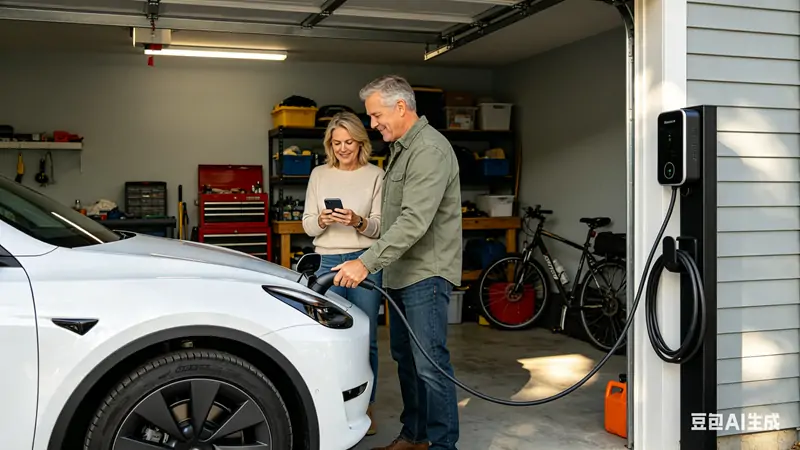
If you own an EV, that cord sitting in your trunk might be all you ever need. A level 1 EV charger everyday use scenario sounds appealing — just plug into any regular outlet and walk away. But is it actually enough for your commute? Here is a no-BS comparison of level 1 vs level 2 charging speed, cost, and noise.
What Is Level 1 Charging, Really?
Level 1 uses a standard 120V household outlet. No special equipment. No electrician. No permits.
You get about 1.4 kW of power at 12 amps. That is roughly 3-5 miles of range per hour.
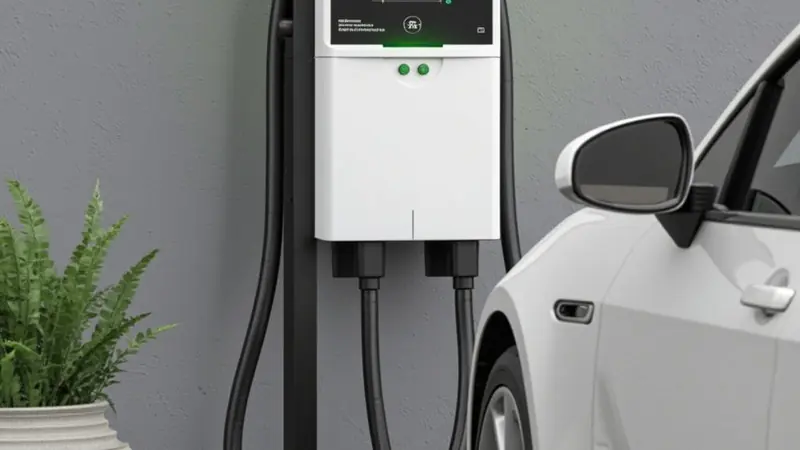
Level 2 uses a 240V outlet — the same type your dryer or oven uses. Power jumps to 7-10 kW. That is 25-30 miles of range per hour.
The gap is not small. It is massive.
The Charging Speed Difference
The level 1 vs level 2 EV charger charge curve tells the same story. Level 2 delivers power fast and then throttles back near the top. Level 1 stays slow and flat the entire time. If you want to see how different power levels affect real-world charging sessions, check out our 7KW vs 22KW home charger comparison.
Level 1: 3-5 miles per hour. Plug in at 7 PM, wake up at 7 AM with 36-60 miles of range.
Level 2: 25-30 miles per hour. Plug in at 10 PM, be at 100% by 2 AM.
The level 1 vs level 2 EV charger charge curve tells the same story. Level 2 delivers power fast and then throttles back near the top. Level 1 stays slow and flat the entire time.
How Many Miles Per Hour: The Real Numbers
Most EVs today run 60-80 kWh batteries. Let us use 70 kWh and 37 miles of daily driving — the US average.
With level 1 at 1.4 kW, you add roughly 4-5 miles per hour. Over 12 hours (a full night’s sleep), you gain 48-60 miles.
With level 2 at 7 kW, you add 25-30 miles per hour. Over 4 hours, you gain 100-120 miles.
That is the practical difference between level 1 vs level 2 charger performance. If your commute is under 40 miles, level 1 technically covers it. But “technically covers it” and “covers it comfortably” are different things.
This is the same reason people upgrade from 7KW to 22KW chargers when they want faster turnaround between drives.
The Real Cost: Monthly Electricity Bills
Here is the part most people get wrong. They assume level 2 costs way more in electricity. It does not.
Using national US averages — $0.13/kWh and 3-4 miles per kWh efficiency:
Level 1 (1.4 kW):
- Monthly miles: 37 × 30 = 1,110 miles
- Energy from wall (accounting for 85% charger efficiency): ~196 kWh
- Monthly cost: ~$25.50
Level 2 (7 kW):
- Same monthly miles, 90% charger efficiency: ~185 kWh
- Monthly cost: ~$24.00
The level 1 vs level 2 monthly electricity cost difference is roughly $1.50 per month. That is not a typo.
Where level 2 saves money is time — less vampire drain, fewer partial cycles, better battery health management. But your electric bill barely changes.
Hidden Cost: Demand Charges
Some utilities charge demand fees based on how long high-power devices run. Level 1 pulling 12 amps for 10-12 hours straight might actually cost more in demand charges than level 2 pulling 30 amps for 3-4 hours.
Check your utility plan. This varies wildly by region.
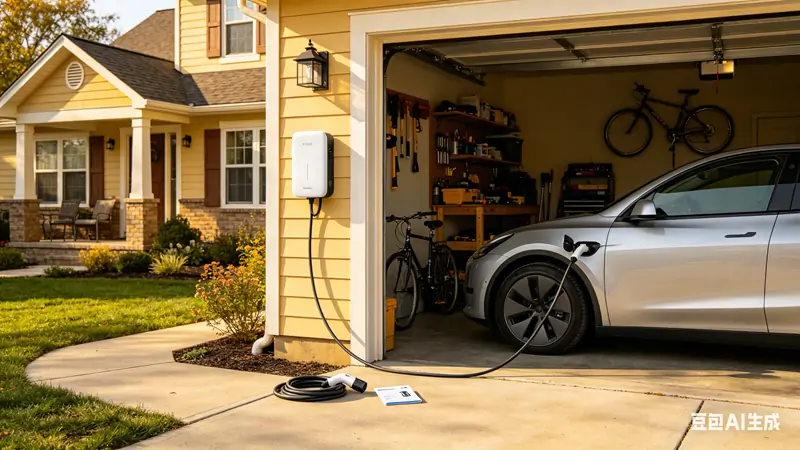
When you are shopping for a charger, also consider hardwired vs plug-in setup — the installation type affects noise too, since hardwired units tend to have less vibration transfer through the wall.
Noise: Which Charger Is Quieter?
Both are extremely quiet. But let us be specific.
A level 1 EV charger everyday use setup runs a small fan at low speed for 10+ hours. The noise hovers around 35-40 dB — similar to a quiet bedroom.
Most level 2 chargers also sit in the 35-45 dB range. Some units with larger internal fans can hit 50 dB under heavy thermal load.
In practice, the level 1 level 2 charger noise difference is negligible. You will not hear either one from another room.
What you might hear — neither charger is to blame for this — is the 120V outlet itself. Some outlets produce a faint electrical hum, especially older ones with loose contacts. This is a wiring issue, not a charger issue.
The Daily Driving Verdict
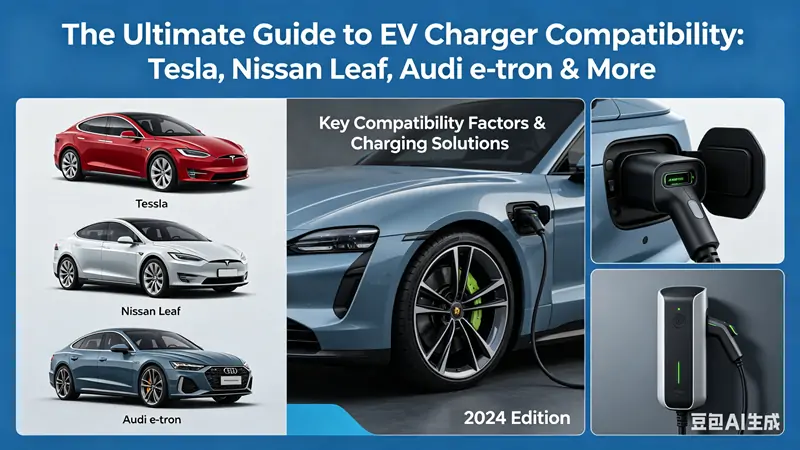
Charging speed matters differently depending on your car. If you drive a Tesla, check our EV charger compatibility guide to make sure any charger you choose works with your model.
When Level 1 Is Actually Enough
- Your daily commute is under 35 miles
- You park at home for 10+ hours every night
- You never take long road trips
- You live in an apartment or rental where you cannot install a 240V outlet
If all of the above describe you, level 1 charging covers your needs. You will wake up every morning with enough range. It is not glamorous, but it works.
When You Need Level 2
- Your daily drive is 50+ miles
- You sometimes need a quick top-up before heading out
- You want to fully charge in under 4 hours
- You have multiple EVs sharing one circuit
Level 2 makes sense the moment your commute regularly exceeds what level 1 can replenish overnight. The difference in real-world convenience is enormous.
If You Are on the Fence
Ask yourself this: what does your morning state of charge look like on a typical Tuesday?
If you regularly start the day with 50% battery or less because level 1 could not catch up overnight, you need level 2. Range anxiety in the morning is a sign your charging setup is not matching your driving habits.
If you usually wake up at 80-90% with level 1, keep the cord. You are fine.
Bottom Line
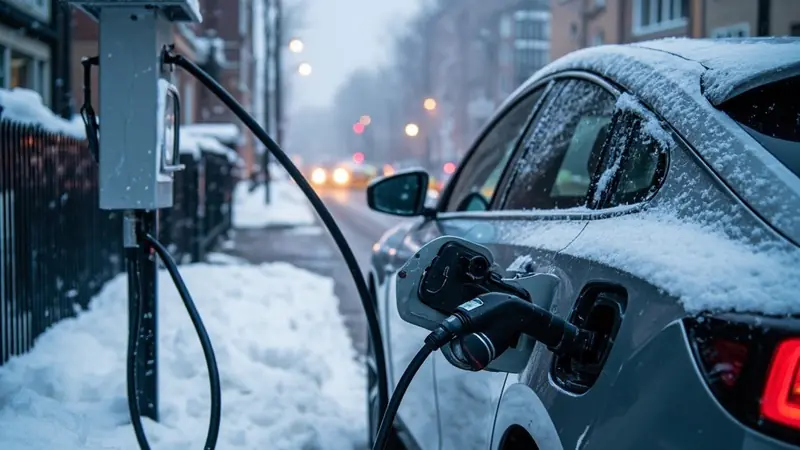
Cold weather affects charging too. If you live somewhere with harsh winters, read our EV charging in winter tips before deciding whether level 1 is enough for your climate.
Level 1 charging is not dead-end tech. For the right driver, it is perfectly adequate. A level 1 EV charger everyday use setup requires zero infrastructure changes and costs almost nothing to run.
But if you drive more than 40 miles daily, need flexibility, or just hate checking your battery icon every morning, level 2 is worth the outlet upgrade.
The good news? Both options are cheaper than gasoline. And that is the comparison that actually matters.
Ready to upgrade your home charging setup?
Browse FlagTools Level 2 EV Chargers → If you want a complete overview of Level 2 home charging before choosing a charger, see our The Complete Level 2 EV Charger Home Charging Guide.
Related: 7KW vs 22KW
Related: Winter Charging