Blog
IP65 Waterproof & Dustproof EV Chargers: What You Need to Know Before Outdoor Installation
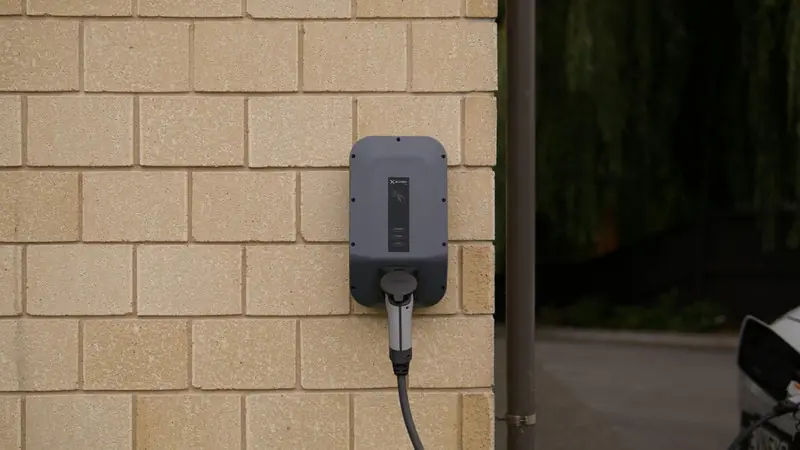
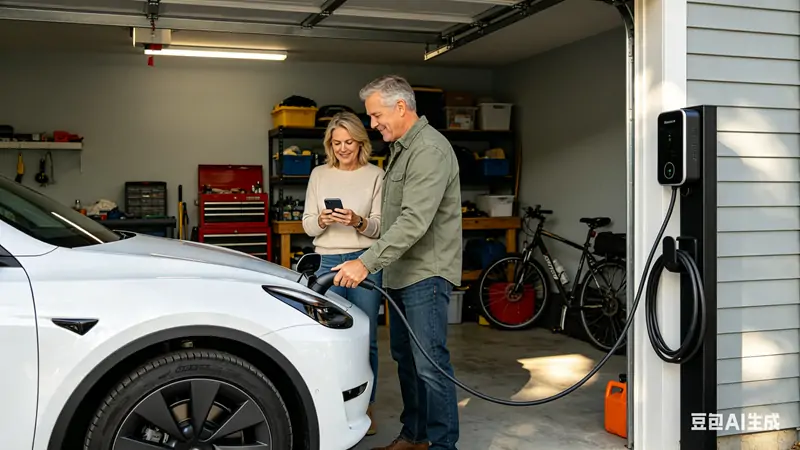
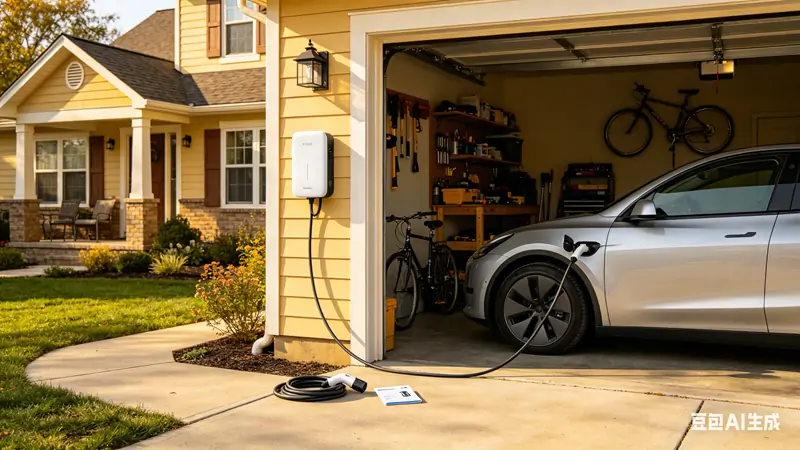
Photo: Wall-mounted IP65 rated EV charger outdoor installation | FlagTools
When you’re installing an electric vehicle charger outside your home, there’s one specification you can’t afford to ignore: the IP rating. An IP65-rated EV charger outdoor installation isn’t just a recommendation—it’s the minimum threshold that separates a charger built to last from one that’ll fail the moment it faces rain, dust, or temperature extremes.
But what exactly does “IP65” mean, and why does it matter for your specific setup? Let’s break it all down.
What Does IP65 Actually Mean?
IP stands for Ingress Protection (sometimes called International Protection). It’s a globally recognized standard defined by IEC 60529 that rates how effectively an enclosure protects against solid objects and liquids.
An IP code has two digits:
- First digit (0–6): Dust protection — the level of protection against solid foreign objects
- Second digit (0–9K): Liquid protection — the level of protection against water ingress
For an IP65-rated EV charger outdoor use, here’s what each number tells you:
| Digit | Rating | Meaning |
|---|---|---|
| 6 (First) | Dust-tight | No ingress of dust; complete protection against contact |
| 5 (Second) | Water jets | Protection against water projected by a nozzle (6.3mm) from any direction |
So IP65 means your charger is completely dust-tight and can withstand low-pressure water jets from any direction—making it genuinely suitable for outdoor exposure.
Key takeaway: The “6” is what you want for dust. The “5” is what you need for rain and hose-downs. Together, they form the baseline for outdoor EV charging equipment.
Why Outdoor EV Charging Demands More Than Indoor-Rated Equipment
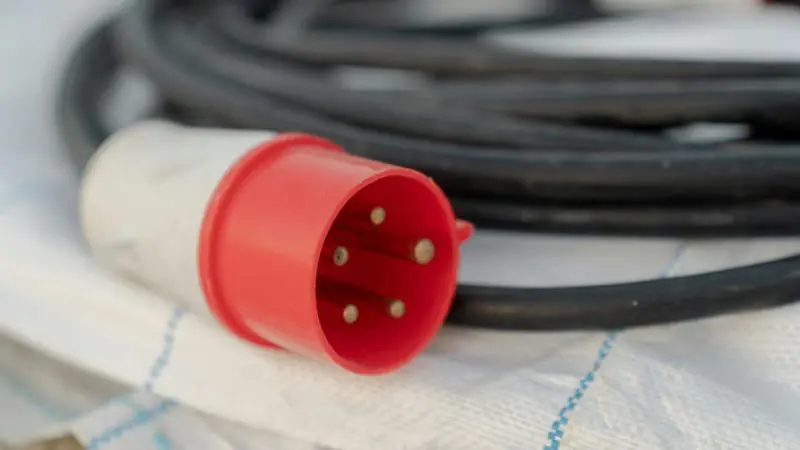
Installing an EV charger outdoors isn’t like mounting a light fixture on your porch. Your charger faces a relentless combination of threats that indoor equipment simply never encounters:
Environmental Challenges for Outdoor EV Chargers
1. Rain and Moisture
Even in regions with mild rainfall, outdoor equipment accumulates moisture over time. Condensation forms inside enclosures during temperature swings. Water finds microscopic pathways into seals. A charger rated only for indoor use will corrode, short-circuit, or trip ground faults—sometimes within the first season.
2. Dust and Particulates
Construction sites, rural driveways, gravel paths, and even deciduous trees produce fine dust that infiltrates equipment. Dust buildup on electrical contacts creates resistance, heat, and potential fire risk. Dust inside cooling fans reduces efficiency and causes overheating.
3. Temperature Extremes
Outdoor chargers experience direct sun exposure (pushing internal temperatures well above ambient), winter freezes, and rapid thermal cycling. Indoor-rated chargers typically specify operating ranges of 0°C–35°C. An outdoor charger needs to handle −25°C to +50°C or broader.
4. UV Exposure
Plastic enclosures degrade under UV radiation—becoming brittle, cracking, and losing their structural integrity over time. Outdoor-rated chargers use UV-stabilized materials specifically formulated for long-term sun exposure.
5. Physical Impact
Lawn equipment, wind-blown debris, car wash overspray, and even curious animals pose physical threats. Outdoor enclosures must meet minimum impact-resistance standards.
Why IP65 Is the Absolute Minimum for Outdoor EV Charging
Most electrical safety standards and EV charger manufacturers have converged on IP65 as the minimum rating for outdoor EV charger installations—and here’s why it’s not overkill:
- IP54 (dust + water splashing): Not enough. Water from garden hoses, wind-driven rain, or pooled water can exceed this protection level.
- IP65 (dust-tight + water jets): The sweet spot. Handles rain, irrigation overspray, cleaning, and condensation without ingress.
- IP66 (dust-tight + powerful water jets): Overkill for most home setups; adds cost without meaningful benefit for typical garage/driveway installations.
- IP67 (dust-tight + temporary immersion): Designed for submersion—not a realistic outdoor scenario for wall-mounted home chargers.
In practical terms, IP65 means your charger can survive:
- Heavy rainfall and thunderstorms
- Being hosed down during car washing
- Snow accumulation and melt cycles
- Wind-driven dust storms
The NEC (National Electrical Code) Article 625 doesn’t mandate a specific IP rating, but most local codes and manufacturer warranties require at minimum IP65 for exterior installations to maintain compliance and coverage.
⚠️ Warning: Installing an indoor-rated charger (often IP20 or IP44) outdoors will void most manufacturer warranties and may create insurance liability issues if fire or electrical damage results.
How FlagTools Implements IP65 Protection
FlagTools EV chargers are engineered with IP65-rated enclosures as a standard feature—not a premium upgrade. Here’s how the protection is implemented:
Enclosure Design
- Material: UV-stabilized polycarbonate or ABS thermoplastic housing with integrated silicone gasket seals
- Construction: One-piece molded design with no exposed seams or joints where water could penetrate
- Rating verification: Each unit is pressure-tested during quality control to confirm IP65 compliance
Cable and Connector Protection
- Charging cable entry: Overmolded cable glands with dual-seal design prevent water ingress at connection points
- Connector rating: The vehicle charging inlet side meets IP44 or higher, with the charger body itself at IP65
Thermal Management
- Natural convection cooling: No fans that could fail or introduce dust
- Wide operating temperature range: Rated for −30°C to +50°C, covering virtually all residential outdoor environments in North America
Corrosion Resistance
- Stainless steel mounting hardware included for salt-air coastal installations
- Internal coatings on PCBs to prevent galvanic corrosion from moisture
The result is a charger that carries the IP65 certification not as a marketing claim, but as a tested, verified specification you can rely on for years of trouble-free outdoor charging.
Installation Best Practices for Outdoor EV Chargers
Even with IP65-rated equipment, proper installation is critical. Here are the key factors to address:
Wall-Mount Height
Mount your charger with the bottom of the enclosure at 120–150 cm (4–5 feet) above finished grade. This height:
- Keeps the unit above typical snow accumulation levels
- Positions the connector at a comfortable ergonomic height
- Reduces risk of vandalism and accidental impact damage
- Maintains clearance from potential flooding
Provide Adequate Shade
While IP65 chargers handle direct sun exposure, providing even minimal shade significantly extends enclosure life:
- A simple overhang, carport, or pergola reduces UV thermal load
- Shade keeps internal temperatures 10–20°C lower than direct sun
- Less thermal cycling means longer seal life
Tip: If full shade isn’t possible, choose a north-facing wall (in the Northern Hemisphere) to minimize afternoon sun exposure.
Ensure Proper Drainage
Water should never pool around the charger base:
- Mount on a slight slope or use a mounting pad that channels water away
- Install a drip loop on the electrical conduit so water doesn’t run toward the junction box
- Keep at least 30 cm (12 inches) clearance from any horizontal surface above
Secure the Electrical Connection
- Use a weatherproof junction box at the wire entry point
- Apply silicone dielectric grease to the wire entry point for extra moisture protection
- Ensure all conduit connections are sealed with appropriate fittings
Plan for Future Servicing
- Leave at least 30 cm (12 inches) of clearance on all sides for maintenance access
- Label the circuit breaker clearly in the panel
- Keep the charger manual and installation photos in a weatherproof pouch mounted near the unit
IP65 vs. IP66 vs. IP67: Which Do You Actually Need?
| Feature | IP65 | IP66 | IP67 |
|---|---|---|---|
| Dust-tight (6) | ✅ Yes | ✅ Yes | ✅ Yes |
| Water jets (5) | ✅ Yes | ❌ No (uses 6) | ✅ Yes |
| ** Powerful water jets (6)** | ❌ No | ✅ Yes | ❌ No |
| Temp. immersion (7) | ❌ No | ❌ No | ✅ Yes |
| Best for | Home outdoor, carports, covered driveways | Industrial, open exposure, pressure washing | Harsh environments, potential submersion |
| FlagTools use case | ✅ Standard for residential outdoor | Available for commercial/industrial | Not typically needed for home EV charging |
For most homeowners: IP65 is the right choice—maximum protection without paying for features you don’t need.
Frequently Asked Questions
What does IP65 mean for an EV charger?
IP65 means the charger enclosure is completely dust-tight (digit 6) and protected against water jets from any direction (digit 5). This is the minimum rating considered suitable for outdoor EV charger installations.
Can I install an IP65 EV charger in direct rain?
Yes. An IP65-rated EV charger outdoor installation handles direct rainfall, wind-driven rain, and hose-down cleaning without water ingress. It is designed for continuous outdoor exposure.
Is IP65 better than IP44 for outdoor EV chargers?
Yes, significantly. IP44 only protects against water splashing from any direction (such as rain at an angle). IP65 provides complete dust protection and stronger water jet protection. For outdoor installations, IP65 is the recommended minimum.
Does IP65 rating require special maintenance?
Not particularly. Periodically inspect the enclosure seals for cracks or degradation, clean the exterior with fresh water if dust accumulates, and ensure the cable glands remain properly tightened. Annual visual inspections are sufficient for most residential installations.
Will an IP65 charger work in freezing temperatures?
Most IP65-rated EV chargers operate down to −25°C or lower. If you live in an area with extreme cold, check the manufacturer’s specifications for the minimum operating temperature. In very cold climates, a simple enclosures or heated mounting location can help.
Ready to Install Your Outdoor EV Charger?
Choosing an IP65 rated EV charger outdoor setup is the single most important decision you can make for long-term reliability. It’s not just about surviving the first rainstorm—it’s about years of worry-free charging through seasons, weather events, and temperature extremes.
FlagTools offers a full lineup of IP65-certified EV chargers designed for residential and commercial outdoor installations. Every unit is quality-tested, backed by a comprehensive warranty, and built with the materials and seals that actually deliver on the IP65 promise.
👉 View FlagTools Full IP65 Protected EV Charger Pricing →
Looking for help with the rest of your EV charger installation? Our complete guide walks you through every step—from choosing the right outlet to permit requirements and final commissioning.
Read: The Complete 2026 Home EV Charger Installation Guide →
Image: EV charger installed outdoors in residential driveway showing weatherproof enclosure under partial carport cover. [Pexels: estalmat/vehicle]
Read our Safety Features Guide for complete guide.
Related: Circuit Protection
Related: USA vs China