Blog
Solar Panels + EV Charger: How to Power Your Car with the Sun
# Solar Panels + EV Charger: How to Power Your Car with the Sun
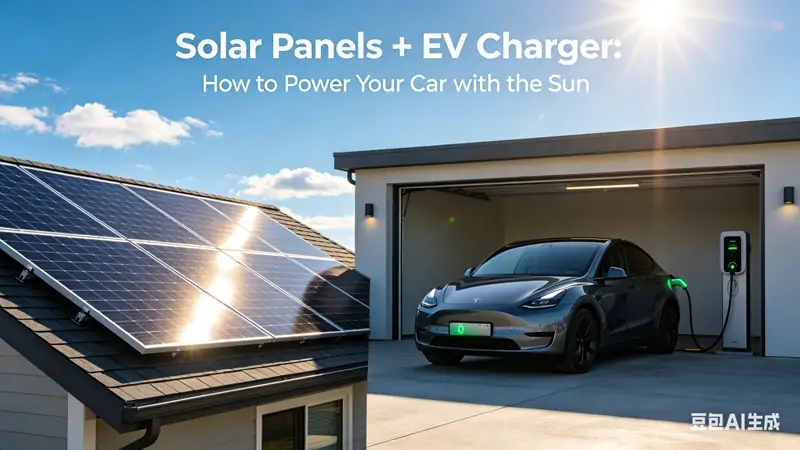
You’ve got solar panels on your roof. You’ve got an electric car in the driveway. The obvious question pops up pretty fast: can I charge my EV directly from the sun?
The answer is yes — and depending on your setup, you might already be closer to doing it than you think. But there’s more nuance than the internet lets on. Here’s what’s actually involved.
How Solar EV Charging Actually Works
Most home solar setups are “grid-tied,” meaning your panels are connected to the utility grid. During the day, your panels generate electricity that either goes straight to your home, gets stored in a home battery, or flows back to the grid. At night, you draw power from the grid — or from your battery if you have one.
When you plug in your EV, it draws from whatever’s available in this system. If your panels are producing more than your home is using, that surplus goes to your car. If you’re charging at night, you’re drawing from the grid (or your battery). The math isn’t always as clean as “free sun power for my car,” but it’s still worth understanding.
Grid-Tied vs Off-Grid: What’s the Difference
Grid-tied is the most common setup — about 80% of residential solar installations. You’re still connected to the utility. You can draw from the grid at night and send excess power back during the day (often earning credits through net metering). Your EV charger works fine with this setup.
Off-grid means you’re completely disconnected from the utility. You need enough battery storage to cover nighttime use and cloudy days. This is more expensive upfront, but if you live somewhere with good sun year-round, it’s doable. A Level 2 EV charger running on off-grid solar is genuinely zero-cost sun power.
How Many Solar Panels Do You Need to Charge an EV?
This is where people get misled. A typical EV driver adds about 10-15 kWh of driving per day — roughly 30-50 miles for most EVs. To generate that much from solar:
- A standard 400W panel generates about 1.5-2 kWh per day in good sun
- To cover 15 kWh/day, you’d need roughly 8-10 panels dedicated to EV charging
- Most homeowners have 15-25 panels total, so adding EV charging is often manageable
The exact number depends on your location, roof angle, climate, and how much you drive. In California or Arizona, fewer panels cut it. In Seattle or the UK, you’ll need more.
Smart Charging: The Secret to Maximizing Solar EV Charging
Here’s the thing most solar articles won’t tell you: most EV owners with solar still charge overnight from the grid. Why? Because the math doesn’t work to charge exclusively from panels unless you have a large array or a home battery.
The real win is time-shifted solar charging — using a smart EV charger that waits until your panels are producing surplus, then starts charging automatically. You get more solar self-consumption, lower grid draw, and your EV still charges by morning.
Smart chargers like those with app scheduling can be set to start at midday when solar production peaks. If your utility offers time-of-use pricing (higher rates at peak evening hours), charging from excess solar in the afternoon is a double win — you avoid peak rates and maximize sun power.
Does It Actually Save Money?
Let’s do the math. If you drive 40 miles a day and get 3.5 miles per kWh, that’s about 11.4 kWh/day. At the average US electricity rate of $0.16/kWh, that’s roughly $1.82/day to charge from the grid.
From solar, the cost per kWh depends on your panel lease or purchase cost. If you own your system outright, a 25-year-old system is basically free electricity — you’re just paying off the panels. If you’re leasing, the savings are smaller but still real, especially with net metering credits.
The bigger financial win isn’t free electricity — it’s using solar to avoid peak-rate grid power. If your utility charges $0.40/kWh at 5-9pm and your solar produces surplus at noon, shifting your EV charge to midday can save $0.24/kWh. Over a year, that adds up.
What You Actually Need to Get Started
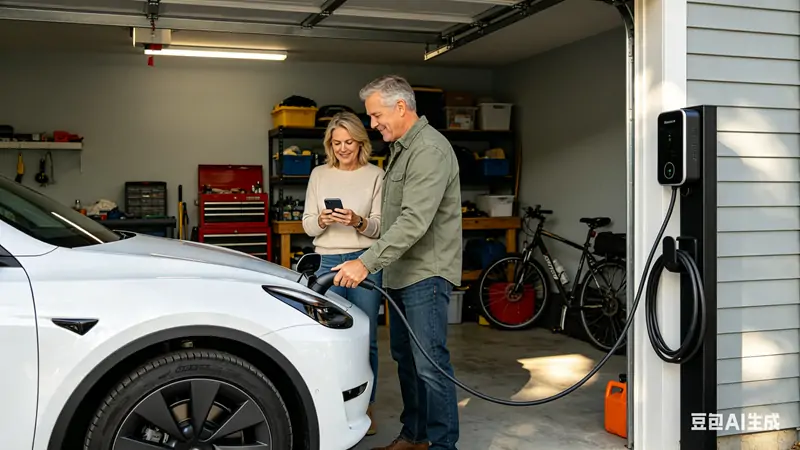
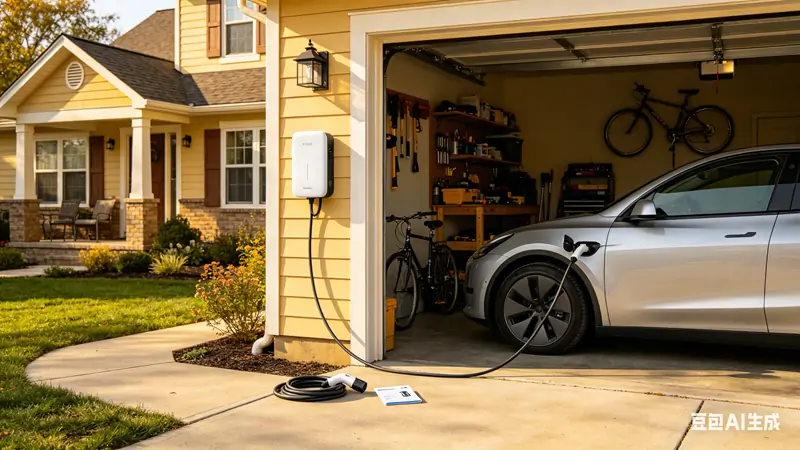
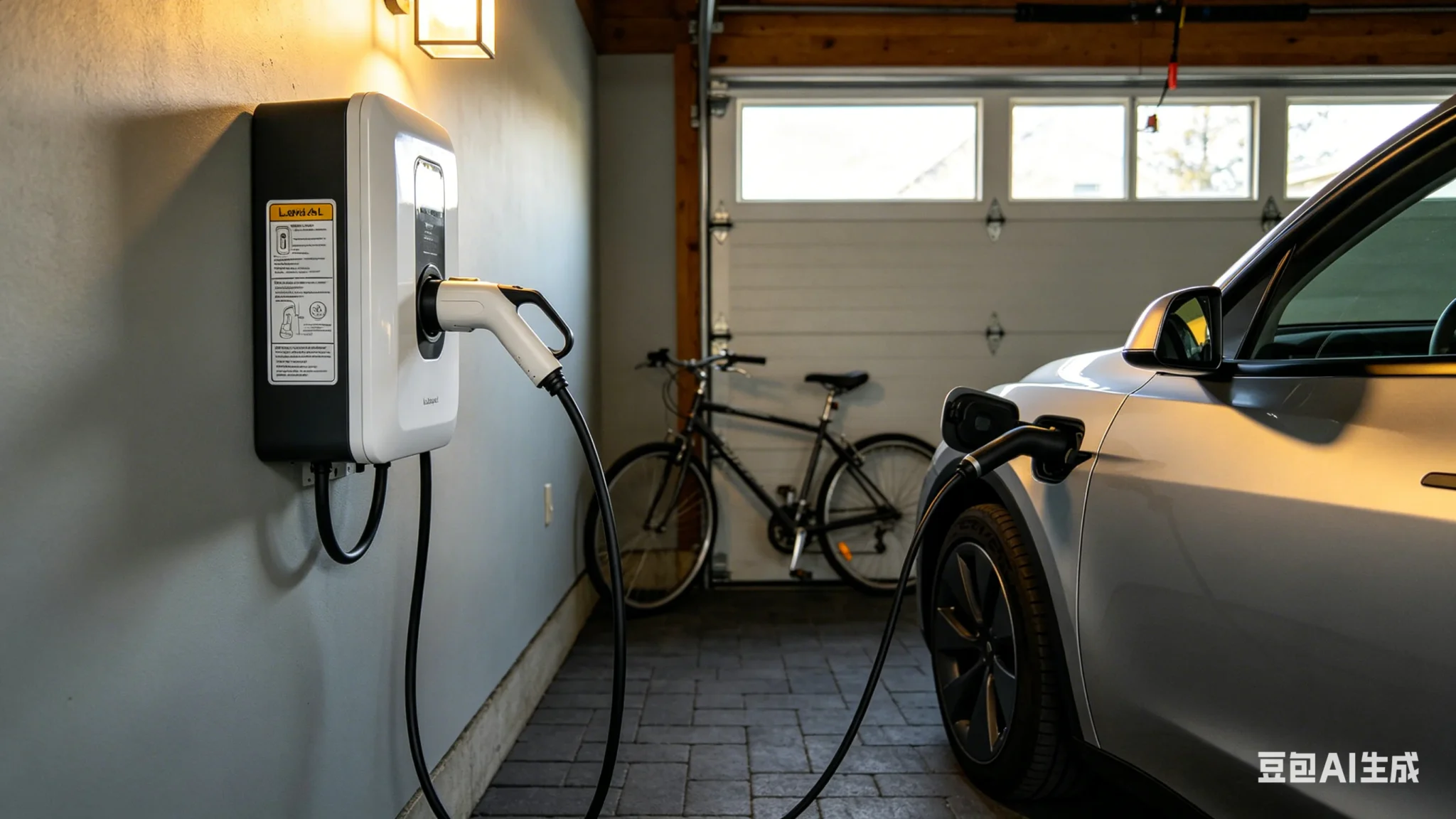
- Level 2 home EV charger — Most grid-tied setups can handle a 40-amp Level 2 charger without panel upgrades
- Smart charger with scheduling — The ability to set charging windows is key for solar optimization
- EV meter or monitor — Optional but helpful: shows exactly how much you’re pulling and from where
- Home battery (optional) — Dramatically improves solar self-consumption and enables true off-peak charging
The Bottom Line
Solar EV charging isn’t a gimmick, but it’s not magic either. If you already have panels or are considering them, adding an EV into the mix is straightforward — especially with a smart charger that can time-shift your load. The savings are real, though more modest than the “drive for free on sunshine” crowd suggests.
Off-grid solar EV charging is genuinely zero-cost motoring — but requires enough panels and battery to cover multi-day clouds and nighttime charging. That’s a significant investment.
For most people: grid-tied solar + smart Level 2 charger + time-of-use scheduling = the best balance of cost savings and convenience.
Related Guides
- Smart EV Charger with App Control — What to Look For
- EV Charger WiFi Keeps Cutting Out? Here’s What Actually Works
- 2026 Complete Home EV Charger Installation Guide
Ready to set up smart solar EV charging at home?Browse FlagTools’ Level 2 EV chargers with app scheduling →
Related: Dynamic Voltage Guard