Blog
Hardwired vs Plug-In EV Charger: Which Is Right for Your Home?
More electric vehicles are hitting American driveways every day, and with them comes one of the most practical questions a new EV owner can face: how should you charge at home? Specifically — hardwired or plug-in?
It’s one of those decisions that feels minor until you start looking into it. The answer isn’t the same for everyone. Your home’s electrical setup, your budget, how long you plan to stay in your home, and even your vehicle’s charging capabilities all play a role in determining which option is genuinely better for you.
This guide lays out everything you need to know about hardwired versus plug-in EV chargers so you can make a confident, informed decision.
Understanding the Two Options
Before diving into comparisons, let’s make sure we’re clear on what each option actually means in practice.
What Is a Hardwired EV Charger?
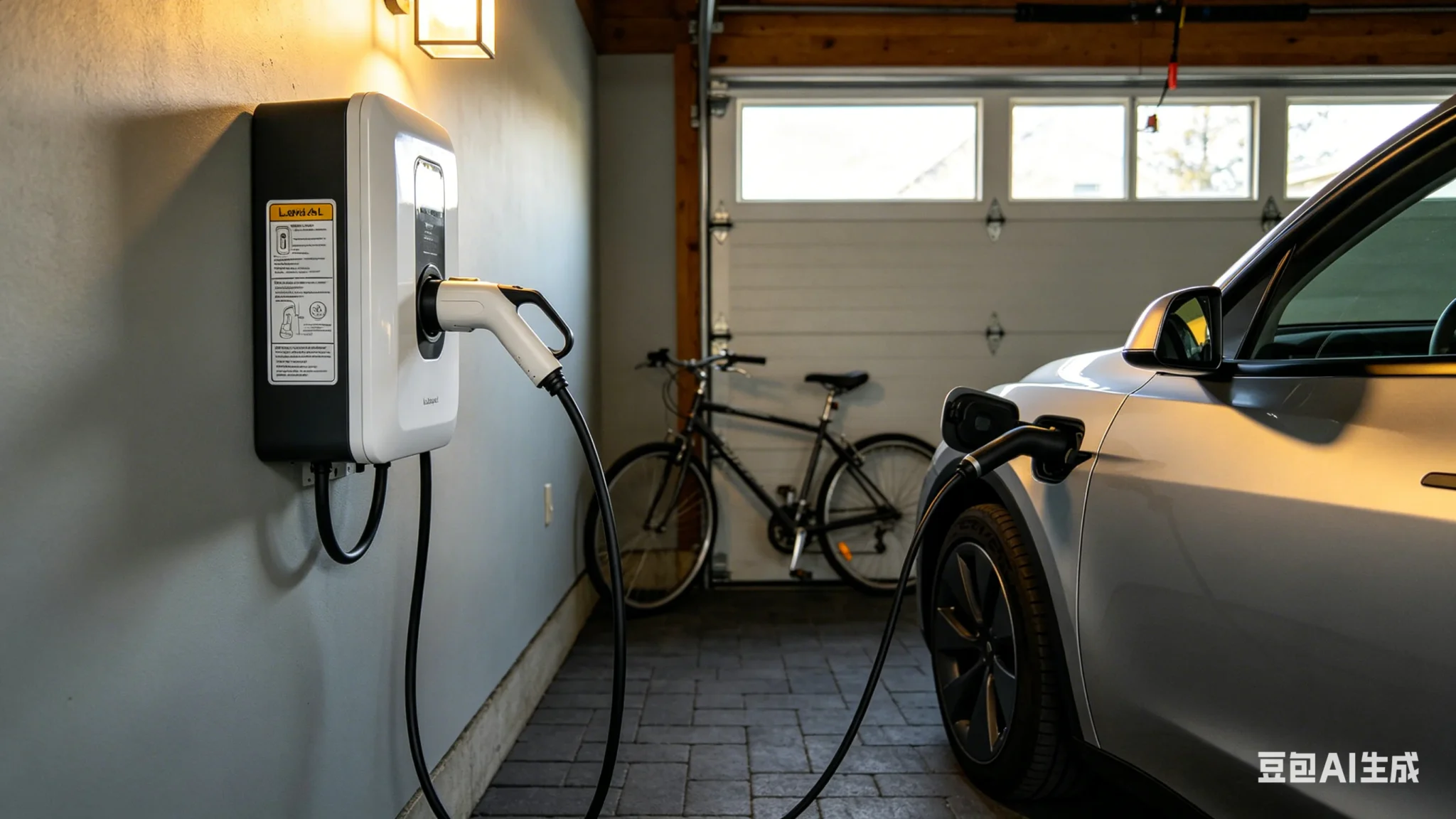
A hardwired EV charger is connected directly to your home’s electrical panel through dedicated wiring. There’s no plug involved — the unit is permanently mounted to the wall and wired into a dedicated circuit. It’s similar to how your central air conditioning or electric oven is wired: a permanent, fixed installation.
Because it involves working directly with your electrical panel and running new circuits, hardwired installations almost always require a licensed electrician and typically require a permit and inspection from your local jurisdiction. The installation is more involved, but the result is a clean, permanent setup that is built for the long haul.
What Is a Plug-In EV Charger?
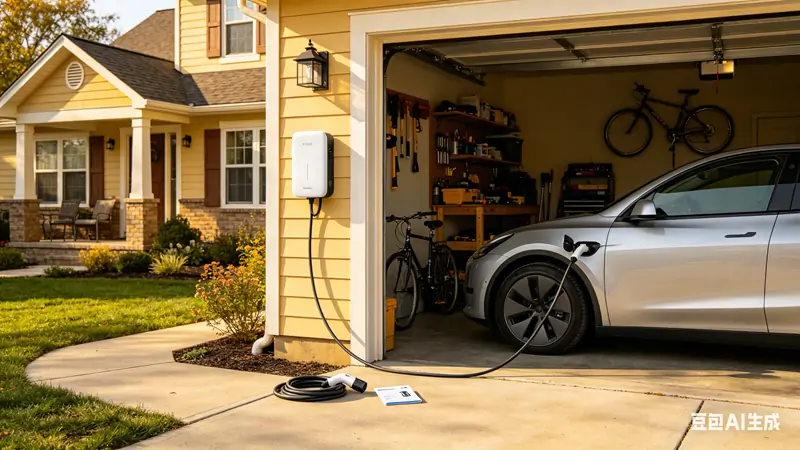
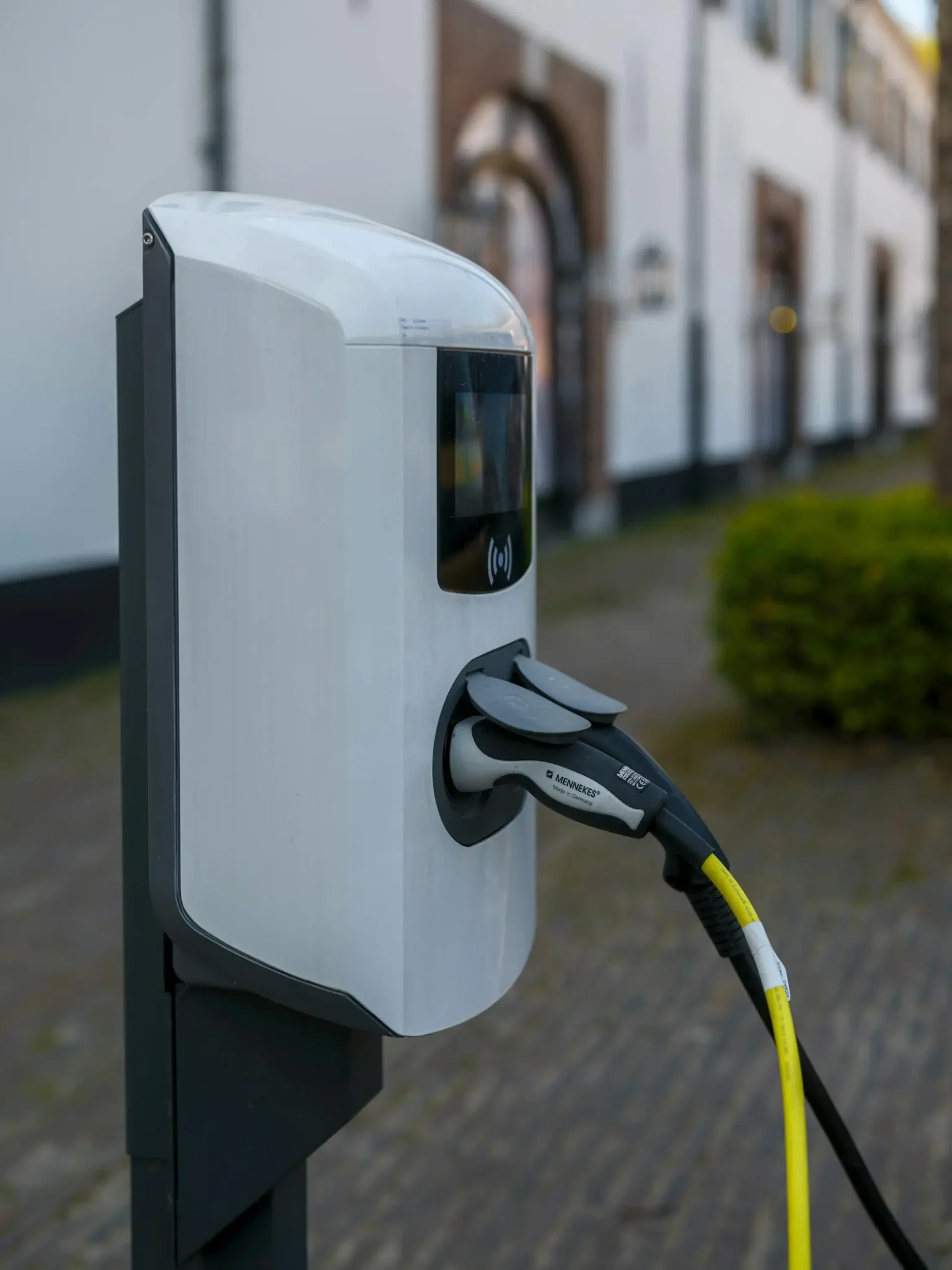
A plug-in EV charger, as the name suggests, uses a standard electrical outlet to draw power. The charger itself either mounts on the wall or sits freestanding, and you plug it into the outlet the same way you would any large appliance.
For Level 2 home EV charging, the most common outlet type is the NEMA 14-50, a 50-amp, 240-volt outlet also used by electric ranges and recreational vehicles. Some setups use a NEMA 6-50 outlet instead. If you’re not sure which outlet type is right for your situation, our detailed NEMA 14-50 vs NEMA 6-50 EV charger outlet guide covers the key differences and which scenarios each supports.
The key advantage of the plug-in approach is simplicity: if the right outlet already exists, you may be able to set up your charger in under an hour without pulling any permits. Even if you need a new outlet installed, it’s a relatively straightforward job compared to hardwiring.
How Installation Costs Compare
Cost is one of the first things most people look at, and it’s here that the two approaches diverge most noticeably.
Hardwired Installation Costs
Hardwired EV charger installation means running new dedicated wiring from your electrical panel to the charger location. Depending on how far your panel is from your garage or parking spot, and whether your panel has enough capacity, this can involve significant labor.
Here’s what you’re typically paying for:
- Electrical panel upgrade (if needed): $1,000–$3,000
- New dedicated 50–60 amp circuit: $300–$800
- Labor for running wire and making connections: $500–$1,500
- Permit and inspection fees: $100–$400
All told, a full hardwired installation can run anywhere from $800 to $5,000 or more, depending on your home’s specifics. If you need a panel upgrade because your current panel is full or undersized, costs climb quickly.
Plug-In Installation Costs
If you already have a NEMA 14-50 or NEMA 6-50 outlet near your parking spot, the installation cost is essentially $0 — you just mount the charger and plug it in.
If you need a new outlet installed, you can expect to pay:
- NEMA 14-50 outlet and installation: $150–$400 in electrician labor
- Permit (if required by your jurisdiction): $50–$200
Compared to hardwiring, this is a dramatically lower barrier to entry. For many homeowners, the plug-in route makes financial sense simply because the upfront investment is so much smaller.
Charging Speed: Do They Perform Differently?
Here’s a question that comes up a lot: does being hardwired versus plug-in actually affect how fast your car charges?
The short answer is: not directly. Charging speed is determined by the charger’s output capacity (measured in amps) and your vehicle’s acceptance rate. A 40-amp Level 2 charger will deliver approximately 9.6 kW of charging power whether it’s hardwired or plugged in.
That said, there is an indirect difference worth noting. Some of the highest-output Level 2 home chargers on the market — 60-amp units that can deliver around 14.4 kW — are only available as hardwired models. These ultra-fast home chargers exceed what a standard NEMA 14-50 outlet can provide (which tops out at around 9.6 kW at 40 amps).
So if you have a vehicle with a very large battery pack and you want the absolute fastest home charging possible, you may find that hardwired is your only realistic option at the top end. For most people, however, a well-sized plug-in Level 2 charger will deliver all the speed they could ever need — typically adding 25–30 miles of range per hour of charging.
For a complete walkthrough of everything involved in sizing and installing a home EV charger, including how to calculate what charge rate you actually need, check out our 2026 Complete Home EV Charger Installation Guide.
Electrical Capacity: Is Your Home Ready?
Before you decide on hardwired or plug-in, you need to answer a more fundamental question: does your home’s electrical system support an EV charger at all?
Assessing Your Panel
Every home has an electrical panel that distributes power throughout the house. Panels come in different capacities, typically ranging from 100 amps to 400 amps. A Level 2 EV charger needs a dedicated circuit, usually 40 to 60 amps.
If your panel is already near capacity — common in older homes — you may need to upgrade it before you can install any Level 2 charger, hardwired or plug-in. Panel upgrades are expensive and invasive, so this is a factor worth investigating early.
The Load Calculation
An electrician will perform a “load calculation” to determine whether your panel can handle a new EV charger circuit. This calculation considers everything currently drawing power in your home. If the numbers don’t work out, you have a few options:
- Upgrade the panel: Expensive but comprehensive.
- Use a smart charger: Some chargers can automatically adjust their charging rate based on your home’s total power draw, preventing overloads. This is a more affordable workaround for borderline situations.
- Install a smaller charger: A 30-amp or 32-amp charger requires a smaller circuit and may fit without an upgrade.
These considerations apply regardless of whether you choose hardwired or plug-in. The electrical requirements are the same for both.
Flexibility and Portability
This is one of the clearest areas where plug-in chargers have an advantage.
Why Portability Matters
Life changes. You might move to a new home in three years. You might want to take your charger to a vacation property. You might move your parking spot if you renumber your driveway. A plug-in EV charger moves with you — it’s yours, and it goes where you go.
Hardwired chargers, by contrast, are part of the house. They’re installed permanently, and removing them means patching walls and potentially hiring an electrician again.
When Hardwired Makes Sense Despite the Lack of Flexibility
If you’re staying in your home long-term, the portability argument loses some of its weight. Many homeowners who plan to stay put find that the permanence of a hardwired charger is actually a feature — not a bug. It looks cleaner, there’s no plug to fiddle with in the rain, and you never have to worry about the outlet becoming loose or worn over time.
Outdoor Installation Considerations
If you’re mounting your charger outdoors — on a garage exterior wall, a carport, or a dedicated charging station in your driveway — weather resistance becomes a critical factor.
Hardwired Outdoor Setups
Hardwired installations tend to have the advantage outdoors. Because the wiring is concealed and the connection is permanent, there’s no exposed plug-and-socket interface that could collect moisture, dust, or debris. Most hardwired EV chargers designed for outdoor use carry high Ingress Protection (IP) ratings — look for IP65 or higher for outdoor reliability.
Plug-In Outdoor Setups
If you choose plug-in for an outdoor location, always use a weatherproof outlet cover over the NEMA 14-50 receptacle. These covers enclose the entire plug assembly and protect it from rain, snow, and dust. They typically cost $20–$50 and are strongly recommended — not optional — for any outdoor plug-in EV charger setup.
Beyond the outlet cover, make sure your charger itself is rated for outdoor use. Not all Level 2 chargers are; check the IP rating before purchasing.
Safety and Code Compliance
Electrical safety isn’t the place to cut corners, regardless of which installation method you choose.
Hardwired and Permits
Most jurisdictions require a permit and inspection for hardwired EV charger installations. While this adds time and a small amount of cost, it also means a qualified inspector verifies that your installation is safe and up to code. This is genuinely valuable peace of mind.
Plug-In and Code Compliance
Whether a plug-in EV charger installation requires a permit depends on your local jurisdiction and whether you’re adding a new circuit or using an existing one. If you’re using an existing properly rated outlet, permits may not be needed. If you’re adding a new circuit, almost all jurisdictions will require a permit regardless of whether the charger itself is plug-in or hardwired.
The takeaway: always check with your local building department before installing. It costs little to ask and can prevent costly problems later.
Impact on Home Value
A permanent EV charger installation can be a selling point. As EVs become more mainstream, home buyers increasingly see a pre-installed charger as a genuine amenity — the same way they might view a pre-wired hot tub or solar panels.
A hardwired charger is the more impressive version of this. It says “this home is EV-ready, right now, permanently.” A plug-in charger says “you could set up EV charging here” — which is still valuable, but less so.
If you’re investing in a permanent electrical improvement, hardwired is the stronger choice from a home-value perspective.
Key Differences at a Glance
| Factor | Hardwired EV Charger | Plug-In EV Charger |
|---|---|---|
| Upfront installation cost | $800–$5,000+ | $0–$400 (if outlet exists) |
| Charging speed | Up to 60 amps (highest-end units) | Limited by outlet type (typically 40 amps max) |
| Portability | None — permanent installation | Fully portable |
| Outdoor use | Generally superior weatherproofing | Requires weatherproof outlet cover |
| Permits and inspections | Almost always required | Sometimes required |
| Electrical panel requirements | Same as plug-in | Same as hardwired |
| Home resale value | Can increase value | Minimal impact |
| Upfront complexity | Higher | Lower |
| Best for | Long-term homeowners, high-power users | Renters, short-term residents, budget-conscious buyers |
How to Decide: A Simple Decision Framework
Still not sure? Here’s a practical way to think about it.
Choose Hardwired If:
- You own your home and plan to stay for several years
- You want the highest possible charging speed (50–60+ amps)
- You’re installing outdoors or in an exposed location
- You want the cleanest-looking, most permanent installation
- You want the installation to potentially add value to your home
- You’re willing to invest more upfront for a permanent solution
Choose Plug-In If:
- You rent your home or might move within a few years
- You already have a NEMA 14-50 outlet near your parking spot
- You want to keep your upfront costs as low as possible
- Flexibility and portability are important to you
- You prefer to avoid the permit and inspection process
- You want a simpler, less invasive installation
Common Mistakes to Avoid
Regardless of which type you choose, steer clear of these common pitfalls:
- Skipping the load calculation. Don’t assume your panel can handle a new circuit. Get a professional assessment first.
- Using an undersized circuit. A 30-amp circuit will charge your EV, but slowly. Size your circuit for how you actually drive — most people benefit from at least a 40-amp circuit.
- Ignoring outdoor ratings. If your charger or outlet is outdoors, both must be rated for outdoor use. Check IP ratings carefully.
- Going cheapest on the charger. Your EV charger is something you rely on daily. Stick with reputable brands that offer solid warranties and have a track record of reliability.
- Not checking local codes. Permit requirements vary widely. Always check with your local building department before starting.
Making the Right Call for Your Home
Both hardwired and plug-in EV chargers are proven, reliable ways to charge your electric vehicle at home. Neither is universally better — the right choice depends on your specific circumstances: your home’s electrical setup, your budget, how long you plan to stay, and how you drive.
If you can swing the upfront investment and you plan to stay in your home, a hardwired installation is typically the more robust, permanent, and valuable choice. If you need flexibility, want to keep costs low, or aren’t sure how long you’ll be in your home, a quality plug-in charger on a properly installed outlet will serve you extremely well.
No matter which route you take, a Level 2 home charger will transform your daily routine. You plug in when you get home, and you wake up every morning with a full charge — no hunting for public chargers, no waiting around. That’s the real payoff of home EV charging, and both options deliver it.
Ready to power up your EV at home?
Browse our full range of Level 2 home EV chargers at FlagTools — Shop All EV Chargers →
Related: No Panel Upgrade